
01 Plain Language for clients and counsel
Written to be used.
Complex legal topics explained clearly for clients, professionals, and the public, and precise enough to actually inform the decisions that follow.

Yes, believe it or not, you can sue a city. Municipal corporations, which include cities, are no longer immune to liability as they were in the past. They can be held accountable for various wrongdoings, such as tortious acts, breaches of contract, and neglecting statutory duties.
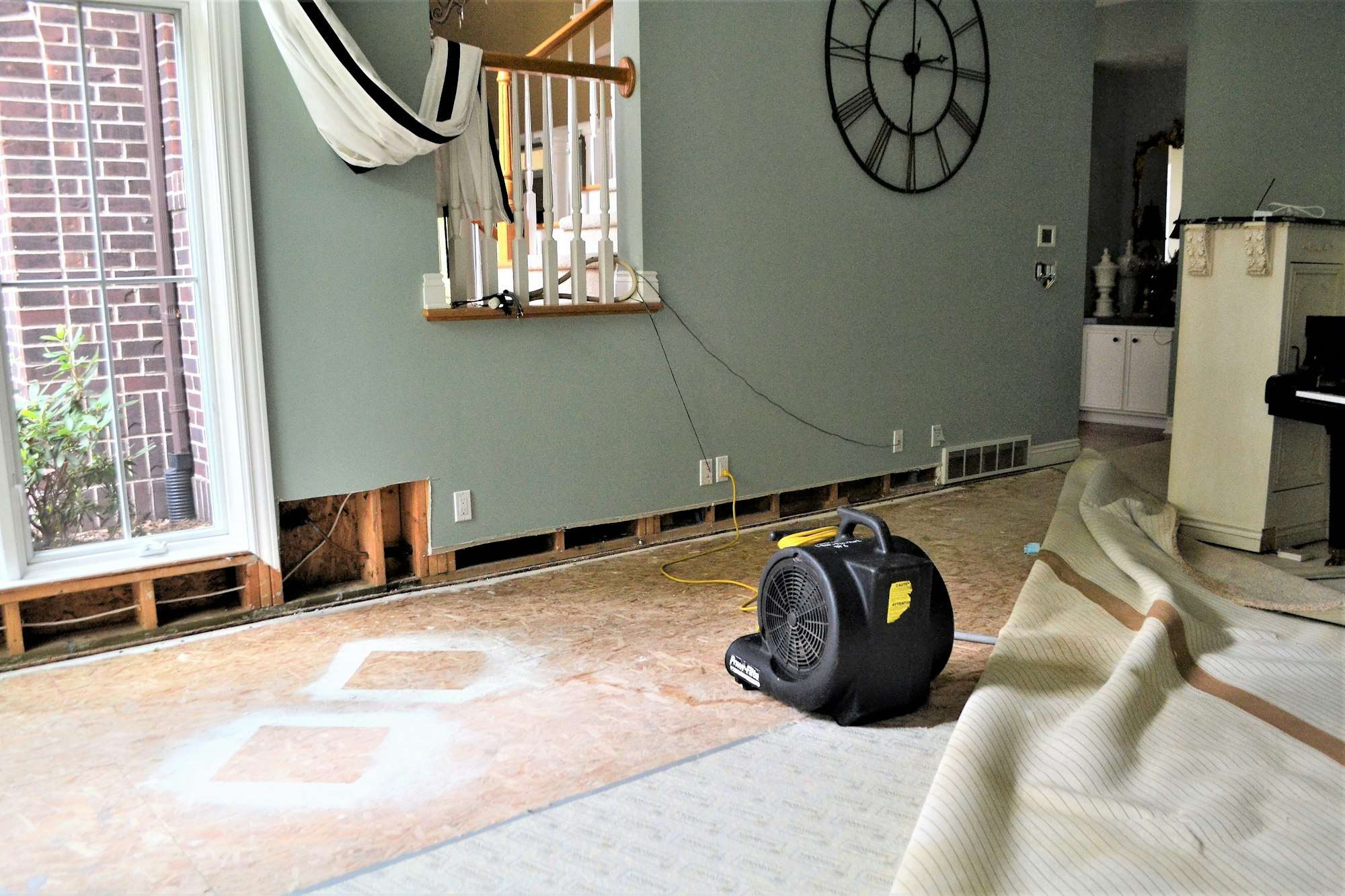
Rylands v. Fletcher is a landmark case in English tort law that established the principle of strict liability for certain harmful activities. The rule states that a person who uses their land for non-natural purposes and accumulates a potentially dangerous substance on their property may be held strictly liable if that substance escapes and causes damage to another’s property.

Fair comment is one of defamation law’s most important defences. It protects opinion on matters of public interest, but only when the underlying facts are true, the statement is recognizable as comment and not fact, and the opinion is one that a person could honestly hold. This article explains every element of the defence, the role of malice, and what the standard actually means in practice.

Most people focus on whether their defamation claim is strong. But in Ontario, whether you can even bring the claim depends on a six-week statutory notice requirement that must be met before filing. Miss it, and the action is gone regardless of its merits. This article explains exactly what the notice requirement demands, how discoverability affects the clock, and how the rules differ across Canada.

The tort of conversion primarily deals with the unlawful interference of another person’s movable personal property, known as chattels. In contrast to trespass to goods, conversion demands more than just a simple invasion of the plaintiff’s possessory rights; it necessitates an interference that denies the plaintiff’s title.

The tort of intimidation, a relatively less explored area of common law, has been recognized and established through a series of judicial decisions. The House of Lords in Rookes v. Barnard (“Rookes“) formally acknowledged the existence of this tort, which has since been accepted as part of the common law in Canada.

Over time, Canadian provincial legislation regulating defamation has been updated to incorporate modern communication methods. However, since most of this legislation does not explicitly address the Internet, judges are often required to draw parallels between Internet communications and traditional media forms, such as newspapers and broadcasts, that are covered by the legislation.

Liability waivers are legal agreements that can limit or exclude the duty of care owed by an occupier in certain circumstances. Although waivers can be effective tools for businesses to minimize their legal exposure, courts carefully scrutinize these agreements to ensure they are fair and reasonable.

The gambling industry is a prime target for those seeking to launder illegal funds. This includes physical casinos, online casinos, bars with poker machines, and both physical and online sports betting services. The global gambling industry generated record-breaking revenues in 2021, reaching $261 billion (USD) in the US and €87.2 billion (EUR) in Europe, making it an attractive option for criminals seeking to launder money. Relative to population size, Canada’s gambling industry made a proportional $2.64 billion (CAD) in revenue in 2021.

In the event of a motor vehicle accident, individuals who are insured may also have the option to file a companion lawsuit against the responsible driver. Both the tort case and the insurance claim can have a significant impact on each other, and it is important for counsel to understand the interplay between the two.

A defamation claim does not automatically succeed. Canadian law provides defendants with a range of defences — from simple denial to truth, privilege, fair comment, and responsible communication — that can defeat a claim entirely. This article explains each defence, what must be established, and what can defeat it.

In Ontario, the Occupiers’ Liability Amendment Act, 2020, often known as Bill 118, made substantial modifications to the filing process for personal injury claims caused by snow or ice on private property. The modifications to the Occupiers’ Liability Act imposed new notification requirements on claimants.

The Supreme Court’s decision in Saadati fundamentally altered the way in which tort law responds to mental injury by attempting to align it more closely with the way it responds to physical injuries. In this particular case, the Court upheld a trial judge’s award for Mr. Saadati’s mental injury, despite the absence of a diagnosis of a recognized psychiatric illness.

The Court of Appeal in Owsinik provided further clarity on the first element of the tort of intrusion upon seclusion: the state of mind requirement. The prohibited state of mind, whether intention or recklessness, must exist when the defendant engages in the prohibited conduct.

The Hague Convention on Service Abroad of Judicial and Extrajudicial Documents in Civil or Commercial Matters, 1965 (also known as the Hague Service Convention) is an international treaty that sets out the rules for serving judicial and extrajudicial documents abroad in civil or commercial matters.

Section 37 of the Conveyancing and Law of Property Act (the “Act”) of Ontario regulates the rights and responsibilities of parties in connection to liens on lands for improvements performed under a mistake of title.
A lien is a legal claim or right to a piece of property as security for the payment of a debt or other obligation, according to the Act. A lien on lands for improvements describes a circumstance in which a person has made improvements to a piece of property under the assumption that they are the owner or have some other legal interest in the property.

Rule 31.10 of the Ontario Rules of Civil Procedure provides for the right to examine a non-party. This rule allows a party to a legal action to request that a non-party to the action be examined for discovery purposes. Examining a non-party is done to gather information or evidence that may be relevant to the case.

If a party fails to provide satisfactory responses or declines to address valid inquiries during the discovery or cross-examination process, a motion for undertakings and refusals might be needed. This motion requests the court’s intervention to compel the party being examined to comply with their undertakings or address questions that were inappropriately refused.

[I]n a still-developing area of law in Ontario dealing with privacy torts, [revenge porn] may also trigger a monetary damages award in the context of a civil claim. In tort law, it falls within a category of privacy torts referred to as publication (or public disclosure) of private facts.

[T]he common law dealt with dog bites/attacks on the basis of scienter (knowledge) or negligence . . . Ontario modified all of this with the introduction of the Dog Owners’ Liability Act.